

Selecting suitable aeration equipment requires comprehensive consideration of process requirements, water quality characteristics, energy consumption efficiency and maintenance convenience, so as to realize the efficient and stable operation of the sewage treatment system.
1. Clarify Application Scenarios and Process Requirements
Municipal sewage treatment plants: Priority shall be given to micropore aerators (such as disc type and tube type). Featuring high oxygen utilization rate (up to 20–30%), they are suitable for sewage with stable organic load.
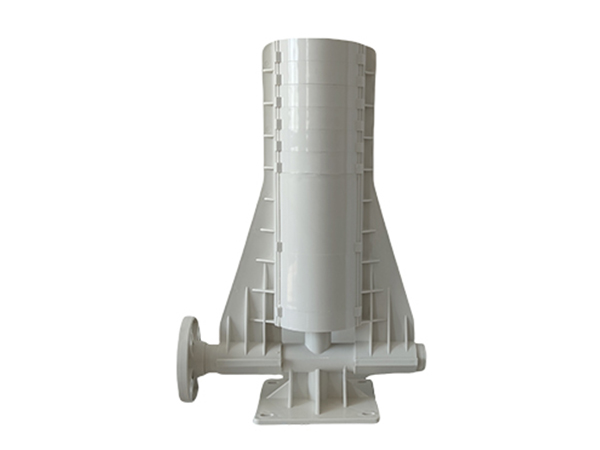
Industrial wastewater treatment (papermaking, chemical industry, printing and dyeing, etc.): liftable aerators or cyclone aerators are recommended. They are characterized by clogging resistance, corrosion resistance and easy maintenance, adapting to complex water quality and working environments with high suspended solids.
Small-scale stations or budget-limited projects: suspended aeration devices are applicable, with simple installation and low cost, ideal for tanks with a water depth of less than 5 meters.
2. Focus on Core Performance Indicators
Standard Oxygen Transfer Efficiency (SOTE): A higher value is preferred, which directly determines energy consumption.
Dynamic efficiency: It reflects the oxygen supply capacity per unit of energy consumption. Products with non-declining performance in the whole service cycle shall be selected.
Clogging resistance: Adopt non-clogging design or self-cleaning structure, especially for wastewater with high suspended solids.
Ease of installation and maintenance: Submersible mixing aerators allow installation without shutdown; liftable aerators can be maintained without draining the tank.