

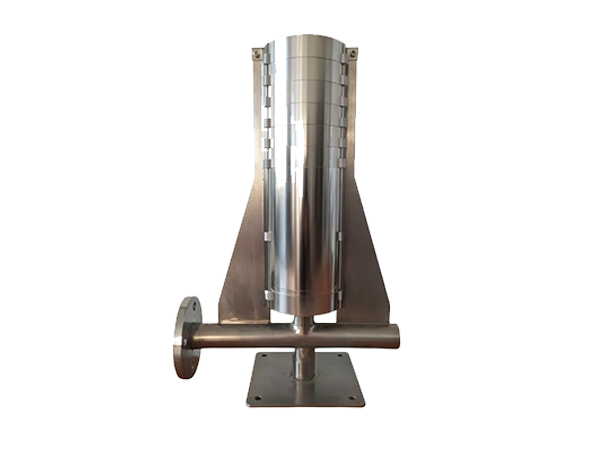
As the core oxygen supply equipment for biochemical wastewater treatment processes, the wastewater aeration system boasts advantages in both basic treatment performance and upgraded intelligent optimization. Its strengths are divided into general advantages and advantages of upgraded precision aeration as follows:
I. Advantages of Basic Functions
1. Efficient oxygen supply and guaranteed microbial activity
The aeration system transfers oxygen into water to provide sufficient dissolved oxygen for aerobic microorganisms, meeting their metabolic needs for organic matter degradation. Meanwhile, it agitates the water body to prevent suspended solids from settling, improves the contact efficiency between organic pollutants and microorganisms, and ensures stable operation of the biochemical treatment process.
2. Adaptable to diverse process scenarios
Different types of wastewater aeration systems are applicable to various sewage treatment processes. Blast aeration is widely used for the activated sludge process in large and medium-sized municipal wastewater treatment plants, with an oxygen utilization rate of 15% to 25%. Mechanical aeration requires no blower room, making it suitable for small and medium-sized projects and oxidation ditch processes. New-type aeration systems such as suspended chain aerators and lift-type aerators are ideal for large-scale treatment projects and can meet the requirements of different process layouts.
3. Technical upgrades to resolve traditional drawbacks
Optimized structure and materials of new-generation aeration systems eliminate the defects of conventional products. Dynamic aerators adopt large-hole two-way swirling mixing technology to prevent clogging. Components made of 316L stainless steel extend the service life to 8 to 10 years. Lift-type aerators allow maintenance without draining water, thus avoiding production losses caused by shutdowns.
II. Advantages of Upgraded Intelligent Precision Aeration
With technological development, precision aeration systems deliver further improvements based on basic functions:
1. Remarkable energy saving
The system dynamically adjusts aeration volume according to real-time dissolved oxygen feedback, eliminating energy waste caused by excessive aeration in traditional systems. The overall energy consumption can be reduced by 12% to 35%. Since aeration accounts for 60% to 70% of the total energy consumption of wastewater treatment, the energy-saving benefit is considerable.
2. Improved stability of effluent quality
It monitors key indicators including dissolved oxygen, COD and ammonia nitrogen in real time, and controls aeration volume precisely. This facilitates nitrogen and phosphorus removal, stabilizes the growth environment of microorganisms, greatly raises the compliance rate of effluent quality, and enhances the system’s capacity to withstand impact loads from fluctuating influent water quality.
3. Lower operation and maintenance costs
Intelligent monitoring detects potential equipment faults in a timely manner and reduces the risk of unexpected major overhauls. It also prolongs equipment service life. Structural designs like lift-type aerators cut labor costs and production losses during maintenance, reduce manual intervention and lower labor intensity.
4. Flexible adaptation to process adjustments
The system supports dynamic parameter adjustment according to varying process loads. Its multi-level control structure enables fine regulation to adapt to changes in influent quality and treatment requirements, ensuring long-term stable operation of the whole system.