

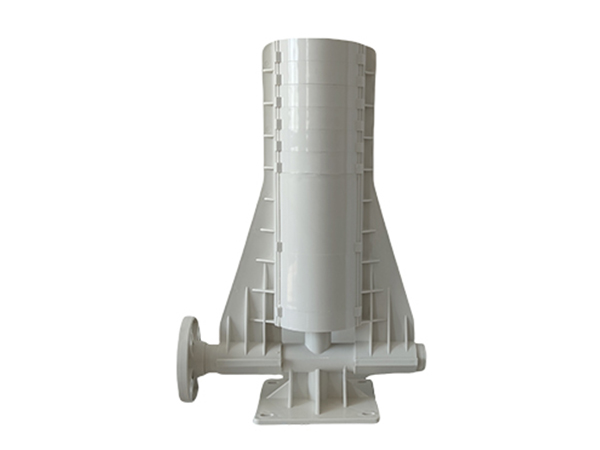
Determining whether aeration equipment needs replacement requires a comprehensive assessment of multiple indicators, including operating efficiency, physical condition, energy consumption changes, and maintenance effectiveness. When several key indicators show irreversible deterioration, it indicates that the equipment has reached the end of its service life and should be replaced in a timely manner.
1. Significantly Reduced Aeration Efficiency That Cannot Be Restored
Persistent low dissolved oxygen: By monitoring the dissolved oxygen concentration in the aerobic tank, if it remains below the process requirements for a long time and still fails to meet the standard even with increased aeration, it means the oxygen transfer efficiency of the aeration equipment has severely degraded. For example, the oxygen transfer rate of microporous aeration pipes drops by more than 30% due to diaphragm aging.
Worsened aeration uniformity: Through visual inspection or gas flow monitoring, if more than 30% of the aeration zone releases no bubbles or shows seriously uneven bubble distribution, it indicates severe diaphragm damage or blockage.
2. Physical Damage or Severe Blockage
Diaphragm damage: If the aeration diaphragm has large‑area tearing, visible cracks extending to the fixed edge, or the rubber is obviously hardened and loses elasticity, it must be replaced.
Excessively high blockage rate: The aeration pores are covered by biofouling, impurities or inorganic salts, resulting in air flow reduced to less than 60% of a new unit, or a blockage rate exceeding 40%, with abnormally increased bubble diameter and greatly reduced oxygen transfer efficiency.
3. Abnormal and Continuous Rise in Energy Consumption
Significantly increased unit energy consumption: Compared with historical data, after excluding external factors such as water quality and temperature, if the unit energy consumption of the aeration system exceeds the design value by 20%–30%, it indicates a serious drop in system efficiency and unbalanced operating economy.
When the aeration resistance rises to 1.5 times the initial value, the system energy consumption usually increases by 18%–25%.
4. No Performance Improvement After Routine Maintenance
After standard maintenance procedures such as chemical cleaning and physical dredging, if key indicators including aeration uniformity, dissolved oxygen level or energy consumption still cannot return to the normal range, it proves that the aeration equipment has reached its service life, and further maintenance is no longer economically viable.