

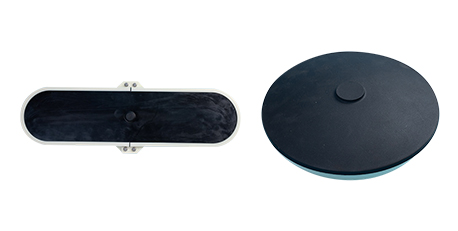
As key equipment for high‑efficiency oxygenation and water mixing in sewage treatment, aquaculture and other fields, swirl aerators’ stable operation directly affects the treatment performance and energy consumption of the system. Proper daily maintenance can not only extend the service life of the equipment but also keep it operating efficiently at all times. Key maintenance points for swirl aerators are elaborated below from multiple aspects.
1. Establish a Daily Inspection System
Daily inspection is the basis for identifying potential equipment problems in a timely manner. Operators shall check the operating status daily, including even aeration, abnormal noise or vibration. Observe bubble distribution on the water surface; uneven local aeration or inconsistent bubble size may indicate aerator blockage or component damage. Meanwhile, record operating parameters such as working pressure, electric current and voltage, and compare them with normal values. Any abnormal data fluctuations shall be investigated and handled promptly.
2. Regular Maintenance of Core Components
Core components of swirl aerators including impellers, draft tubes and aeration heads directly determine equipment performance. Inspect impellers and draft tubes regularly for wear, deformation or corrosion. Worn impeller edges weaken swirling effects and oxygenation efficiency, while deformed draft tubes may cause turbulent water flow and higher energy consumption. Worn or damaged components shall be replaced in a timely manner.Aeration heads are prone to blockage, especially in sewage or poor‑quality water bodies. Regularly clean sludge, biofilms and impurities attached to aeration heads by high‑pressure water flushing or soaking with special cleaners to keep air vents unobstructed.
3. Water Quality and Environmental Management
Water quality exerts a significant impact on swirl aerator operation. In sewage treatment, high‑concentration suspended solids, grease or chemicals may cause aerator blockage and corrosion. Therefore, strictly control influent water quality, and regularly test water pH, turbidity and pollutant concentration to avoid exceeding the equipment’s tolerance range.Keep the operating environment clean by removing debris around the aeration tank to prevent equipment damage. In cold regions, take anti‑freezing measures in winter, such as draining accumulated water inside the equipment or wrapping it with thermal insulation materials to avoid damage caused by water freezing and expansion.
4. Regular In‑Depth Maintenance and Overhaul
In addition to daily maintenance, conduct regular in‑depth servicing on swirl aerators. Fully disassemble and inspect the equipment every six months or one year, and thoroughly clean and lubricate all components. For long‑running equipment, wearing parts such as bearings and seals will age and shall be replaced promptly to prevent leakage or malfunctions. Check loose electrical connections and good insulation to ensure electrical safety. Perform trial operation after in‑depth maintenance to verify normal performance recovery.
5. Timely Troubleshooting and Records
Handle equipment faults promptly when they occur. Insufficient aeration may result from blocked aeration heads, fan failures or pipeline leaks, which shall be checked and repaired one by one. Abnormal vibration may be caused by unbalanced impellers or damaged bearings, requiring impeller calibration or bearing replacement.Record fault phenomena, causes and solutions in detail during troubleshooting to build an equipment maintenance file. Analysis and summary of fault records help predict potential problems in advance and formulate targeted maintenance measures to improve equipment reliability and stability.
In conclusion, maintenance of swirl aerator requires a scientific maintenance system covering daily inspection, core component upkeep and water quality management. Only in this way can swirl aerators run stably for a long time and provide reliable support for production and daily life.