I. The Core Role of Aeration in Wastewater Treatment
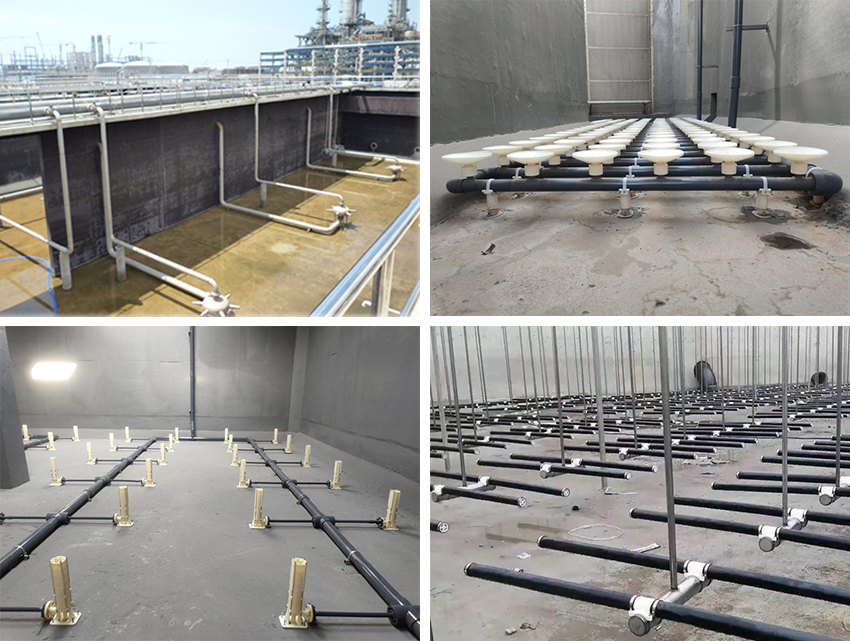
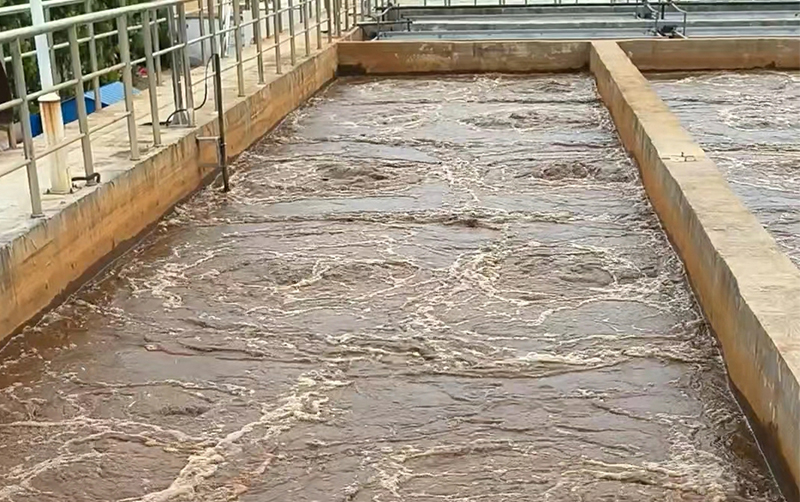
Aeration is a critical component of biological wastewater treatment processes. By forcibly introducing air or oxygen into wastewater, aeration supplies the dissolved oxygen required for the survival and metabolic activity of aerobic microorganisms. These microorganisms utilize organic pollutants in the wastewater as a food source and decompose them into carbon dioxide, water, and biomass through biological oxidation, thereby achieving effective purification of the wastewater.
Compared with chemical treatment methods, biological aeration processes offer advantages such as lower operating costs, no secondary chemical pollution, and stable treatment performance. As a result, aeration-based biological treatment has become one of the most widely applied technologies in modern wastewater treatment.
II. Which Types of Wastewater Require Aeration?
Aeration processes are suitable for most wastewater streams containing biodegradable organic matter. Typical applications include:
Main Application Areas:
Municipal wastewater treatment – Core process in urban wastewater treatment plants
Food processing wastewater – Brewing, beverages, meat processing, dairy industries
Pulp and paper wastewater – Organic wastewater from pulping and papermaking processes
Textile and dyeing wastewater – Effluent from desizing, bleaching, and dyeing operations
Chemical wastewater – Organic and fine chemical production wastewater
Pharmaceutical wastewater – Fermentation-based and synthetic pharmaceutical effluent
Fermentation industry wastewater – MSG, citric acid, yeast production wastewater
Coal chemical wastewater – Effluent from coal gasification and liquefaction processes
Petrochemical wastewater – Refining and petrochemical production wastewater
Other industrial wastewater – Leather, electroplating, pesticide manufacturing, etc.
III. Wastewater Classification and Its Impact on Aeration System Design
Based on water quality characteristics, wastewater can generally be divided into two categories, which significantly affect aeration system selection and operation:
Category 1: Low-Pollution, Low-Scaling Wastewater
Characteristics:
Moderate organic concentration (COD typically < 1000 mg/L)
Low suspended solids content
Minimal floc formation
Low calcium and magnesium ion concentration
Low scaling tendency
Typical Examples:
Certain food processing wastewater
Lightly polluted municipal wastewater
Aeration System Requirements:
Relatively flexible aerator selection
Most aerator types are suitable
Long maintenance intervals
Category 2: High-Pollution, Scale-Prone Wastewater
Characteristics:
High organic concentration (COD ranging from several thousand to tens of thousands mg/L)
High suspended solids and floc content
High hardness
Strong tendency for scaling and fouling on aeration equipment
Typical Examples:
Pulp and paper wastewater
Coal chemical wastewater
Fermentation wastewater
Certain chemical wastewater
Aeration System Requirements:
Anti-clogging design: Large orifices or self-cleaning structures
Anti-scaling materials: Special coatings or corrosion-resistant materials
Easy maintenance: Simple disassembly, cleaning, and replacement
High oxygen transfer efficiency: To meet high oxygen demand
IV. Overview of Mainstream Aeration Technologies and Equipment
1. Fine Bubble Diffusers (Disc and Panel Types)
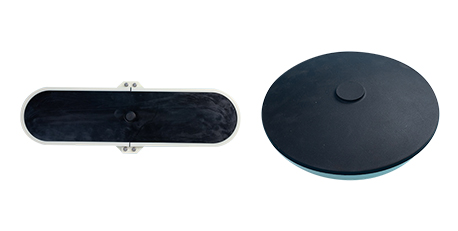
Working Principle:
Air is released through membranes or ceramic diffusers with micro-sized pores (typically 80–100 μm), generating fine bubbles.
Advantages:
High oxygen transfer efficiency (20–30%)
Excellent energy efficiency
Suitable for advanced treatment
Limitations:
Prone to clogging
High pretreatment requirements
Not suitable for wastewater with high suspended solids
Typical Applications:
Municipal wastewater
Industrial wastewater with low suspended solids
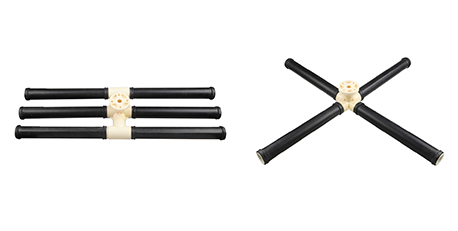
Working Principle:
Air is released through perforated pipes or membrane tubes, forming continuous bubble curtains.
Advantages:
Easy installation and maintenance
Uniform mixing performance
Types:
Retrievable type
Fixed type
Flexible membrane type
Typical Applications:
Equalization tanks
Aeration tanks
MBBR systems
3. Jet Aerators
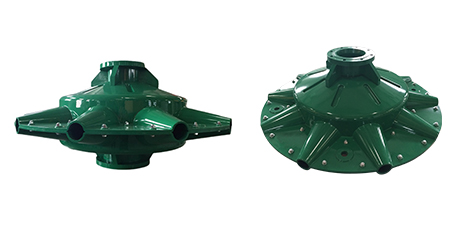
Working Principle:
High-velocity liquid flow creates negative pressure to entrain air, which is thoroughly mixed in a mixing chamber and discharged together.
Advantages:
Strong oxygenation capacity
Excellent mixing performance
Low clogging risk
Limitations:
Higher energy consumption
Requires circulation pumps
Typical Applications:
High-strength organic wastewater
Toxic wastewater requiring intensive mixing
4. Vortex / Cyclone /Swirl Aerators
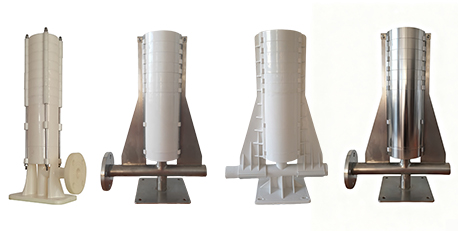
Working Principle:
Air and water form a spiral or vortex flow within the aerator, significantly extending gas–liquid contact time.
Advantages:
High oxygen utilization efficiency
Excellent anti-clogging performance
Long service life
Types:
Cyclone aerators
Vortex concave aerators
Spiral mixing aerators
Typical Applications:
Scale-prone wastewater
High suspended solids wastewater
Retrofit and upgrade projects
5. Surface Aerators
Working Principle:
Rotating impellers splash wastewater into the air for oxygen transfer or directly draw air into the water.
Advantages:
Simple installation
Easy maintenance
Suitable for large flow rates
Types:
Vertical shaft (inverted umbrella)
Floating aerators
Brush aerators
Disc aerators
Typical Applications:
Oxidation ditches
Aerated lagoons
Equalization tanks
V. Technology Comparison and Selection Guide
| Aeration Type | Oxygen Transfer Efficiency | Energy Consumption | Anti-Clogging Performance | Suitable Water Quality | Maintenance Frequency | Capital Cost |
| Fine Bubble Diffuser | High (20–30%) | Low | Poor | Low SS, low hardness | High | Medium |
| Tubular Diffuser | Medium (15–25%) | Medium | Medium | Medium SS | Medium | Medium |
| Jet Aerator | High (18–28%) | High | Good | High-strength, toxic | Low | Relatively High |
| Vortex / Cyclone Aerator | Medium–High (18–26%) | Medium | Excellent | High SS, scale-prone | Low | Medium |
| Surface Aerator | Low (8–15%) | High | Excellent | All types | Low | Low |
VI. Aeration System Selection Recommendations for Different Wastewater Types
For Category 1 (Low-Pollution, Low-Scaling) Wastewater:
Preferred option: Fine bubble diffusers (for maximum energy efficiency)
Alternative option: Tubular diffusers (balanced efficiency and maintenance)
Design focus: Uniform air distribution and optimized diffuser layout
For Category 2 (High-Pollution, Scale-Prone) Wastewater:
Preferred option: Vortex / cyclone aerators (excellent anti-scaling capability)
Alternative option: Jet aerators (strong mixing performance)
Special Considerations:
Material selection: Stainless steel, reinforced engineering plastics, or special coatings
Anti-clogging design: Large orifices or self-cleaning structures
Maintenance access: Convenient inspection and cleaning channels
Backup systems: Zoning operation and standby aeration units
VII. Aeration System Optimization and Operation Strategies
Intelligent Dissolved Oxygen (DO) Control
Install online DO monitoring instruments
Automatically adjust aeration rate based on influent load
Avoid over-aeration (energy waste) or under-aeration (process instability)
Routine Maintenance
Fine bubble / tubular diffusers: Clean every 6–12 months
Vortex / jet aerators: Annual inspection and scale removal
Surface aerators: Regular inspection of gearboxes, bearings, and impellers
Energy-Saving Measures
Use high-efficiency blowers (magnetic levitation or air suspension blowers)
Optimize aerator layout to eliminate dead zones
Implement time-based or load-based aeration control
VIII. Technological Innovation and Development Trends
Smart aeration systems: IoT and big data–based optimization
High-efficiency materials: Advanced polymer membranes and nano-coating technologies
Process integration: Coupling aeration with membrane separation and advanced oxidation processes
Resource-recovery-oriented aeration: Simultaneous recovery of nitrogen and phosphorus during aeration
Conclusion
The selection and application of wastewater aeration systems require strong technical expertise. Proper aeration technology must be chosen based not only on wastewater characteristics but also on comprehensive evaluation of capital investment, operating costs, and maintenance requirements.
For high-strength, scale-prone wastewater, anti-clogging aeration technologies such as vortex or cyclone aerators demonstrate clear advantages. For relatively clean wastewater, high-efficiency fine bubble aeration systems are often the preferred choice.
With increasingly stringent environmental regulations and continuous advancements in energy-saving technologies, aeration systems are evolving toward higher efficiency, lower energy consumption, and smarter operation. Proper aeration system selection and optimized operation are becoming key factors in ensuring stable wastewater treatment performance and reducing overall operating costs.