

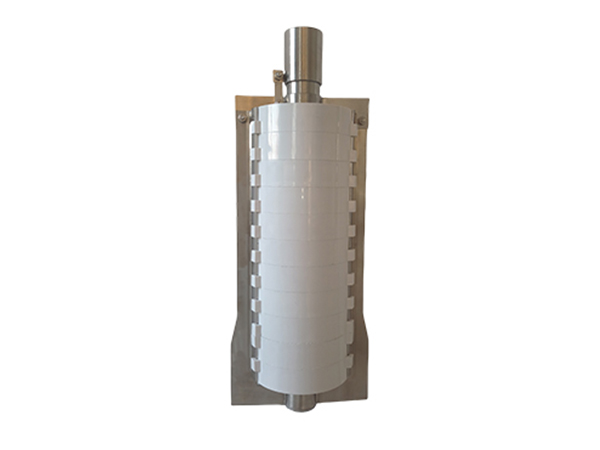
A vortex aerator is a high-efficiency aeration device used in wastewater treatment. It mainly generates vortex and negative pressure through mechanical action, draws air into the water and forms micro-bubbles, so as to increase dissolved oxygen (DO) in the water and promote the decomposition of organic pollutants by microorganisms. The working principle and main structure of the vortex aerator are as follows:
I. Working Principle
Vortex GenerationThe equipment forms a strong vortex through a high-speed rotating impeller (or rotor), creating a low-pressure zone at the center of the impeller.
Negative Pressure SuctionThe low-pressure zone draws air into the water body through an air duct or natural suction.
Gas-Liquid MixingThe inhaled air is broken into micro-bubbles under the shear force of the impeller and the effect of the vortex, and fully mixed with the water.
Dissolved Oxygen ImprovementMicro-bubbles stay in the water for a long time, improving the oxygen mass transfer efficiency and promoting the metabolism of aerobic microorganisms.
II. Main Structure
Impeller/Rotor: The core component that generates vortex and shear force at high speed.
Motor: The power source to drive the impeller, usually a submersible motor or an external motor.
Guide Hood: Directs the water flow and optimizes gas-liquid mixing efficiency.
Air Inlet: Used for air intake; some models are equipped with an air intake pipe.
Bracket or Float: Fixes the equipment or keeps it floating on the water surface.