

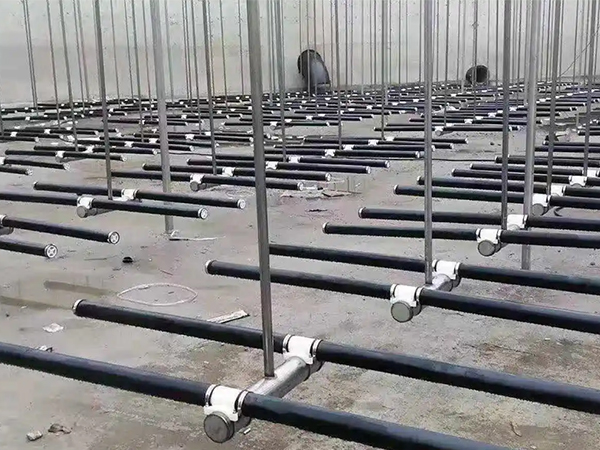
Wastewater aeration systems have great energy-saving potential. A 10%–30% reduction in energy consumption can generally be achieved after optimization, with the core principle shifting from excessive oxygen supply to precision on-demand oxygen supply.
1. Core Energy-saving Performance and Data
Energy-saving Range: Conventional renovations (such as frequency conversion and precise control) can reduce power consumption by10%–20%; in-depth optimization (combining high-efficiency equipment and intelligent algorithms) can reach 20%–30% or higher.
Energy Consumption Proportion: The aeration process accounts for 50%–70% of the total power consumption of sewage treatment plants, making it the primary breakthrough for energy saving. The reduction in unit power consumption has a significant impact on the overall plant operating costs.
Comprehensive Benefits: In addition to direct power savings, the system can reduce carbon source and chemical dosing by approximately 25%, extend service life of equipment, and improve the stability of effluent water quality.
2. Key Energy-saving Technical Approaches
Precise Aeration Control (Core Method): Based on online monitoring of dissolved oxygen (DO) and ammonia nitrogen, combined with feedforward-feedback cascade control, the system dynamically adjusts air volume and valve opening to avoid over-aeration waste and achieve a balance between oxygen supply and demand.
High-efficiency Equipment Replacement: The wastewater aeration system adopts magnetic levitation or air suspension blowers (featuring high efficiency and excellent partial-load performance) and high-efficiency aerators such as micropore and swirling-flow types (with high oxygen transfer efficiency and low resistance) to improve energy efficiency fundamentally.
Zoned and Frequency Conversion Regulation: The aeration tank is divided into independent sections for segmented control to match load gradients. Combined with blower frequency speed regulation, the system adapts to fluctuations in water quality and water volume and eliminates invalid energy consumption.
System Operation and Maintenance Optimization: Regularly clean clogged aeration heads, calibrate monitoring instruments, and optimize pipeline back pressure to prevent energy efficiency attenuation caused by equipment aging and extensive management.