

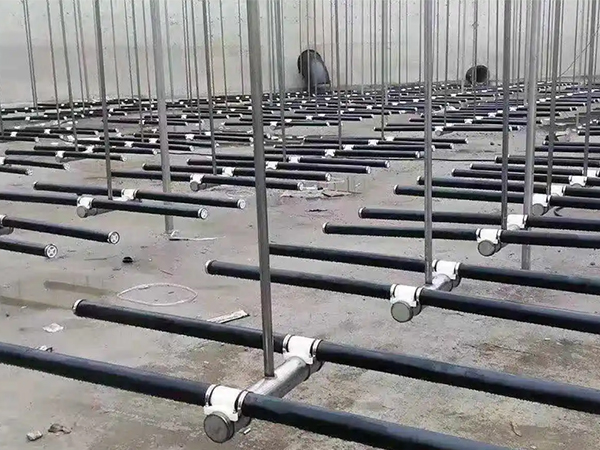
The core significance of industrial wastewater treatment lies in environmental protection, health safeguarding, resource conservation, as well as reducing corporate compliance costs and improving economic benefits.
1.Environmental and Health Benefits
Pollution Reduction: Industrial wastewater contains toxic and hazardous substances such as chemical oxygen demand (COD), heavy metals and cyanides. Direct discharge poisons aquatic organisms and disrupts ecological balance. Treated discharge prevents long-term damage to rivers and soil.
Protection of Drinking Water and Public Health: Untreated wastewater may contaminate water sources. Heavy metals and pathogens enter the human body via drinking water or the food chain and endanger health. Wastewater treatment serves as a critical line of defense for water quality safety.
2.Resource and Economic Benefits
Water Recycling: Treated wastewater can be reused in production processes such as cooling and cleaning, greatly reducing freshwater intake and alleviating water scarcity.
Recovery of Valuable Substances: Certain chemicals or by-products can be recovered during treatment to generate extra revenue. Sludge after proper treatment can also be used as fertilizer or building materials.
Avoidance of Fines and Legal Risks: Compliance with environmental regulations prevents fines, production suspension and even criminal liabilities arising from illegal discharge, lowering operational risks.
3.Social and Long-term Development
Improved Corporate Image: Proactive wastewater treatment builds a socially responsible corporate image, attracts environmentally conscious customers and investors, and strengthens market competitiveness.
Driving Green Transition: Wastewater recycling is a vital part of circular economy and green manufacturing. It helps raise overall industrial efficiency and aligns with national carbon peaking, carbon neutrality and sustainable development goals.